
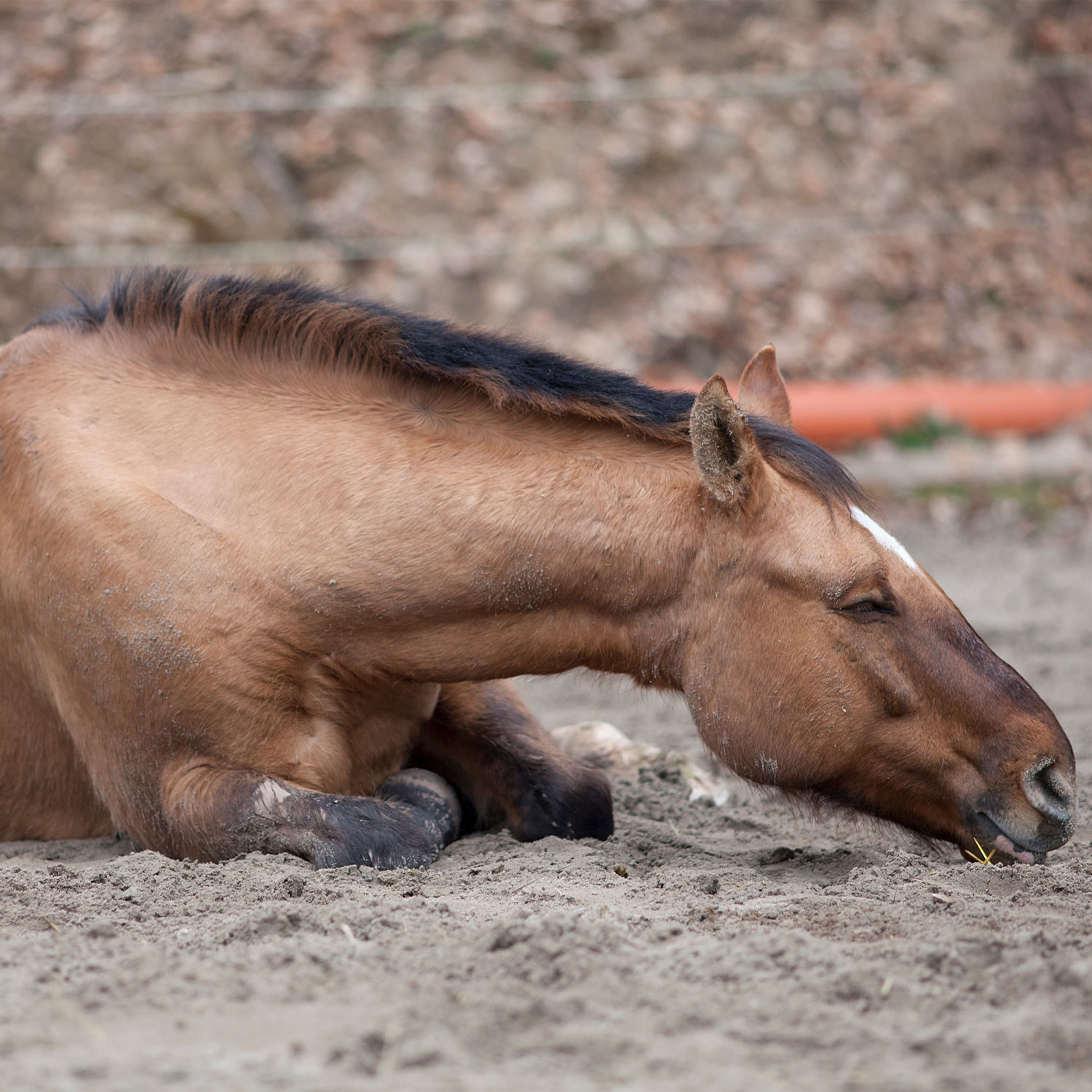
Horse owners spend countless hours caring for their herd, which means you often know “something is off” long before it turns into a medical emergency. From metabolic disorders to lameness and digestive upset, recognizing the early warning signs and getting prompt veterinary care can make all the difference in your horse’s recovery.
At Custom Compounding Pharmacy, we partner closely with licensed veterinarians to provide customized medication solutions when commercially available, FDA-approved products do not meet a specific horse’s clinical needs. Below, we explore some of the most common equine health issues, the symptoms to watch for, and how custom veterinary compounding can support your horse’s care plan.
General Warning Signs That Your Horse May Be Sick
While every horse has a unique baseline, there are several general symptoms that warrant a closer look and a call to your veterinarian:
- Changes in Appetite or Manure: Skipping meals, eating slower than normal, passing fewer, drier, or more frequent looser stools.
- Lethargy or Isolation: A sudden lack of energy during work, reduced interaction with the herd, or completely separating themselves in the pasture.
- Abnormal Posture: Favoring a specific leg, stretching out, or arching the back.
- Respiratory Changes: Thick, discolored discharge from one or both nostrils, or a persistent, mucus-producing cough.
- Coat Changes: A dull, rough, or unusually long hair coat that doesn’t shed out normally.
- Fever: In adult horses, a temperature over 102°F is generally a cause for concern.
If you are ever unsure whether your horse’s symptoms require attention, always contact your veterinarian for an exam.
Equine Lameness: Recognizing the Signs
Lameness can stem from a variety of causes, including joint arthritis, muscle soreness, overwork, or ligament and tendon stress. Because the root causes vary so widely, a thorough veterinary exam is always necessary. Common signs of equine lameness include:
- Shortened, choppy, or “stiff” strides
- Head bobbing at faster gaits, such as a trot or lope
- Reluctance to bear full weight on a specific limb
- Heat and/or swelling in a joint or lower leg
How Compounding Helps: When an equine athlete or older retired horse requires specialized support, standard commercial options don’t always fit the animal’s exact needs. Under a veterinarian’s direction, our pharmacy can prepare customized formulations—such as alternative topical delivery vehicles or specific dosage strengths—when an FDA-approved equivalent is unavailable or clinically unsuitable for the patient.
Gastrointestinal Issues: Colic, Ulcers, and Parasites
Gastrointestinal health is the cornerstone of equine well-being. Common warning signs of GI distress include dropping weight despite normal feed intake, a dull coat, signs of abdominal discomfort (pawing, rolling, looking/biting at the flank), and changes in manure.
Colic
Colic is a broad term for abdominal pain and can escalate quickly. If your veterinarian prescribes emergency supportive care medications, our team works diligently to fulfill those patient-specific prescriptions, so your horse gets the targeted care they need.
Gastric Ulcers
Performance horses frequently face gastric ulcers due to heavy workloads, stress, and frequent travel. When veterinarians treat ulcers, they may prescribe active ingredients such as Omeprazole, Misoprostol, Sucralfate, or Cimetidine. If your horse is a notoriously picky eater, our team can compound medications into customized, flavored oral pastes, suspensions, or powders designed to match your veterinarian’s precise specifications.
Internal Parasites
Internal parasites can cause weight loss, skin irritation, and colic. Partnering with your veterinarian to perform fecal egg counts ensures targeted deworming. Once your veterinarian determines the correct deworming protocol, we can supply the prescribed therapies.
Respiratory Health and Allergies
Whether a horse is suffering from seasonal environmental allergies or dealing with a respiratory infection, it is important to know the signs of distress. Watch for:
- Fever or abnormal nasal discharge
- Coughing or wheezing
- Shortness of breath, especially when exercising
- Hives or intense itching
How Compounding Helps
When veterinarians diagnose equine allergies or respiratory infections, they may require customized strengths or specialized non-sterile and sterile formulations that are not commercially manufactured. Our pharmacy supports veterinary teams by compounding patient-specific prescriptions to assist in managing complex respiratory cases.
Endocrine and Metabolic Disorders
Equine Metabolic Syndrome (EMS) and Pituitary Pars Intermedia Dysfunction (PPID / Cushing’s Disease) are two lifelong conditions that require ongoing monitoring and veterinary management.
PPID (Cushing’s)
Veterinarians often utilize specialized diagnostic agents to assess pituitary function. For diagnosed cases, we can compound prescribed therapies like Pergolide into custom forms and flavors to help make daily administration easier for horses on pasture or in stalls.
Equine Metabolic Syndrome (EMS)
Characterized by insulin dysregulation, EMS management often involves dietary restrictions and targeted therapies. For horses requiring strict sugar management, our pharmacy can prepare low-sugar or no-added-sugar compounded medication based upon veterinary request.
Equine Protozoal Myeloencephalitis (EPM)
EPM is a serious neurological disease caused by the parasite Sarcocystis neurona, which horses can ingest through contaminated opossum droppings. Preventive measures include storing feed securely off the ground and keeping water sources clean. Clinical signs of EPM include:
- An uneven, wobbly, or uncoordinated gait
- Head tilting or frequent stumbling
- Muscle wasting or weakness, especially on one side of the body
Depending on the specific treatment protocol prescribed by your veterinarian, we offer compounded antiprotozoal options prepared to their exact specifications.
Ask Your Veterinarian About Custom Compounding
Every horse is unique, and sometimes their medical treatments need to be, too. If your horse is struggling to take a commercial medication, or requires a specialized dosage form, ask your veterinarian if a customized medication from Custom Compounding Pharmacy is right for your horse’s unique needs.
Important Regulatory & Safety Disclosures
- Not FDA-Approved: Compounded animal drugs are not FDA-approved. The FDA does not review these preparations for safety, efficacy, or manufacturing standardization prior to distribution.
- Prescription Requirement: All prescription and compounded medications from Custom Compounding Pharmacy are dispensed exclusively upon receipt of a valid, patient-specific prescription issued by a licensed veterinarian within an established Veterinarian-Client-Patient Relationship (VCPR).
- Medical Necessity: Medications are compounded from bulk drug substances only when a prescribing veterinarian determines that an FDA-approved commercial product is unavailable or clinically unsuitable for a particular patient.
- This article is for educational purposes only and does not substitute for professional veterinary diagnosis, care, or prescription. All third-party trademarks remain the property of their respective owners.